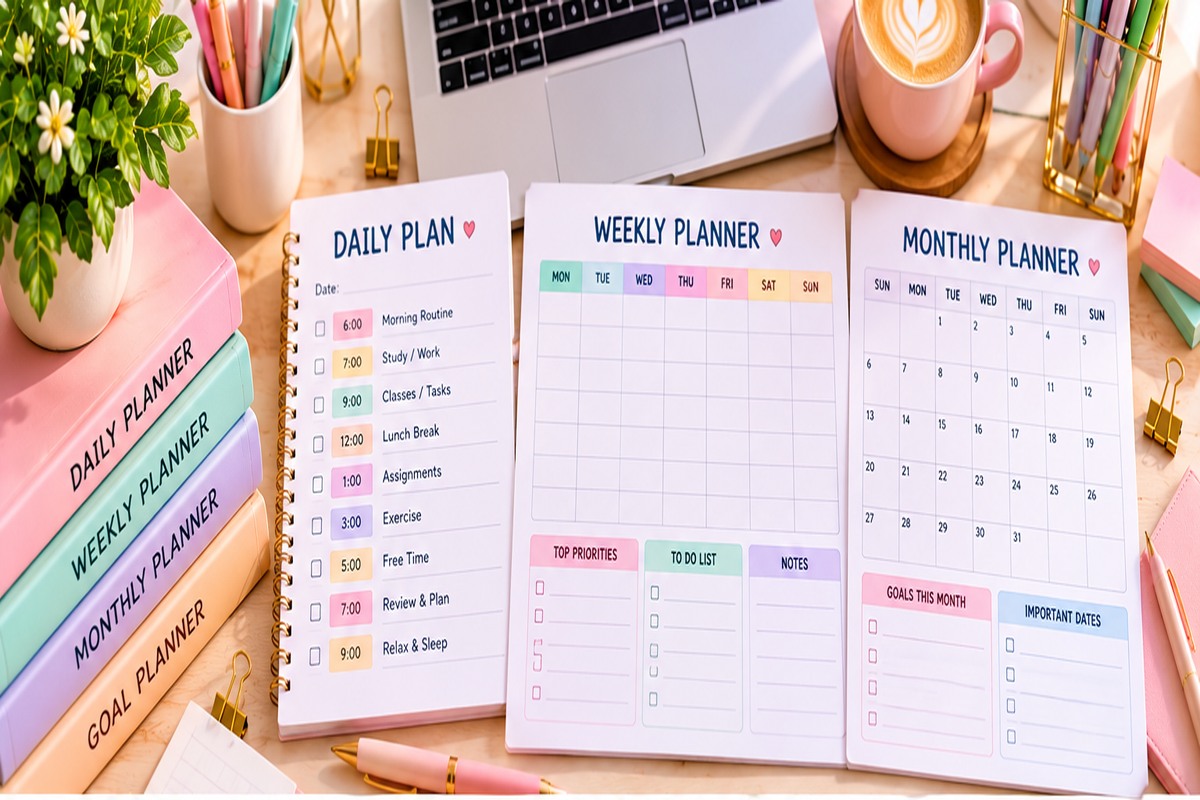
Learning how to organize your life starts with creating a simple system for your time, tasks, goals, and responsibilities. You don’t need a perfect routine, an expensive app, or a complicated productivity method. You need a practical plan that helps you decide what matters and what to do next.
Between work, studies, family responsibilities, appointments, and personal goals, everyday life can become overwhelming. When you keep everything in your head, it’s easy to forget important tasks or spend too much time deciding where to begin.
Fortunately, a planner can bring these responsibilities together. In this guide, you’ll discover ten practical ways to organize your life, real examples of
organizing everyday activities, and a planning routine you can maintain.
What Does It Mean to Be Organized?
Being organized means arranging your tasks, time, belongings, and commitments so you can manage them more effectively. It doesn’t mean keeping everything perfect or following a strict schedule every minute. Instead, it means knowing what you need to do, where to find important information, and how to prepare for upcoming responsibilities.
For example, an organized person might keep appointments on a monthly calendar, track daily tasks on a checklist, and review upcoming deadlines every Sunday. These simple habits create a system that reduces unnecessary confusion.
Why Is It Important to Be Organized?
If you’ve wondered why it is important to be organized, consider how much time you spend looking for information, remembering unfinished tasks, or deciding what to do next.
- Keep important deadlines visible.
- Prioritize tasks based on importance.
- Reduce avoidable last-minute rushing.
- Make time for work, family, and personal activities.
- Track progress toward meaningful goals.
- Build consistent daily and weekly routines.
Organization doesn’t eliminate unexpected problems. However, it can make them easier to handle because you understand your existing commitments.
How to Organize Your Life: 10 Powerful Planner Tips
1. Start With a Complete Brain Dump
Before you organize your life, write down everything currently occupying your mind. Include appointments, unfinished assignments, bills, shopping lists, household responsibilities, personal goals, and tasks you’ve been postponing.
Don’t worry about arranging these items yet. Simply collect them in one place. Once you finish, divide the list into categories such as work, personal life, home, health, and finances. This gives you a clearer picture of what needs your attention.
2. Choose One Main Planner
One of the easiest ways to organize better is to keep your important tasks in a central planning system. You can use a printable planner, notebook, or digital app. However, avoid spreading your responsibilities across too many disconnected lists.
A good planner should give you enough space to record tasks, appointments, deadlines, and priorities. For a paper-based system, explore the free daily planner templates available on PlannerDownload.com.
3. Create a Simple Daily Planning Routine
Spend five to ten minutes planning your day, preferably the evening before or at the beginning of your morning. Start by checking appointments and deadlines. Next, identify your three most important tasks. Finally, leave room for smaller activities and unexpected responsibilities.
For example, a daily organizing plan might look like this:
| TimeActivity7:00 |
|---|
Am morning
| routine8:00 |
|---|
Am review
| priorities9:00 |
|---|
Am important
| work or study12:00 |
|---|
Pm lunch
| and break2:00 |
|---|
Pm meetings
| or assignments5:00 |
|---|
Pm-personal
| responsibilities8:00 |
|---|
Pm prepare
| for tomorrow |
|---|
Treat this as a flexible example rather than a schedule everyone must follow.
4. Plan Your Week Before It Begins
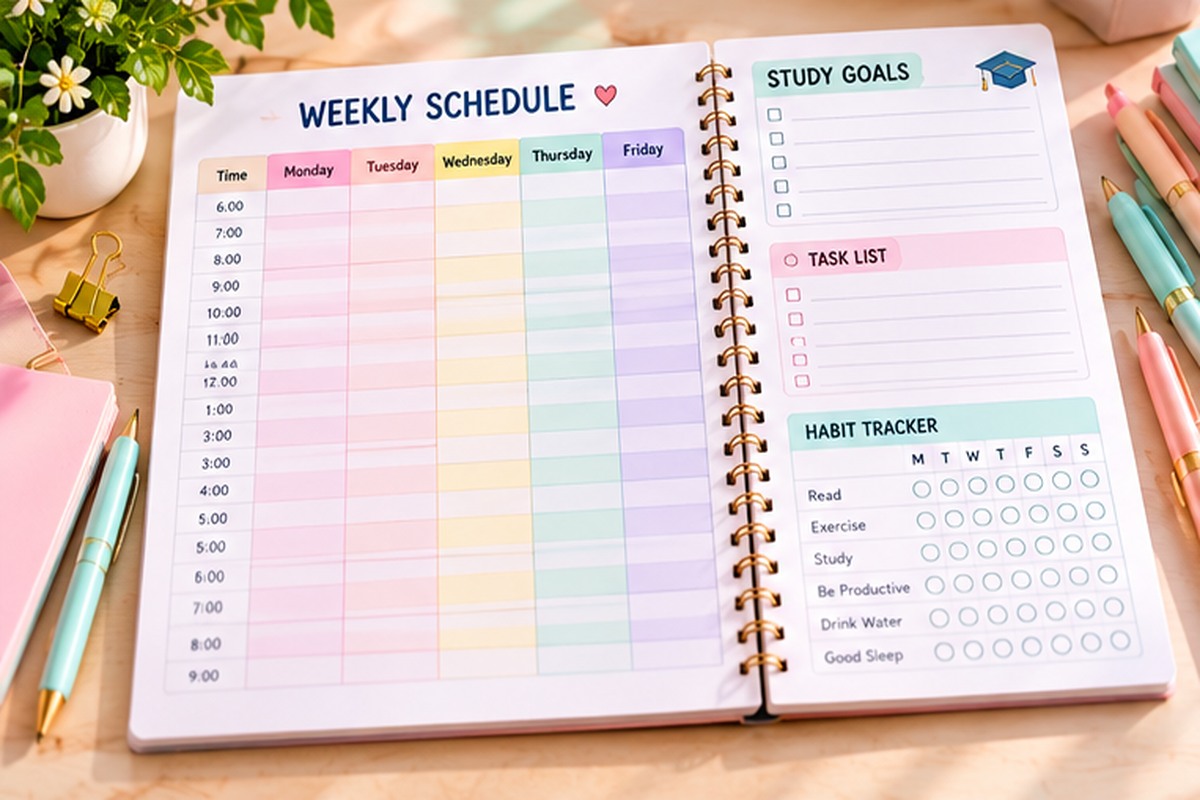
Weekly planning helps you understand upcoming responsibilities before they become urgent. Choose a consistent day to review your calendar, unfinished tasks, appointments, and deadlines. Then distribute important activities across the week.
For example, you might schedule grocery shopping on Monday, focused project work on Tuesday, exercise on Wednesday, and a household review on Saturday. Use our weekly planner collection to explore printable planning options.
5. Set Monthly Goals That You Can Actually Achieve
Monthly goals give your daily activities a clear direction. Instead of writing a vague goal such as “Get healthier,” choose a specific action such as “Walk for 20 minutes four days per week.” Likewise, replace “Save money” with “Set aside a fixed amount from each paycheck.”
Keep your monthly goals limited to a manageable number. Review your progress regularly and adjust when circumstances change. You can use the monthly planner templates to organize your goals and important dates.
6. Organize Tasks by Priority, Not Just Urgency
Some tasks demand immediate attention, while others contribute more meaningfully to your long-term goals. Learning how to organize your life involves recognizing the difference. Try dividing tasks into three groups:
| PriorityMeaningExampleHighImportant and time-sensitiveSubmit an assignment due todayMediumImportant but flexiblePrepare next week’s meal planLowOptional or less urgentRearrange a bookshelf |
|---|
Complete your highest-priority responsibilities when you have enough time and energy to focus.
7. Build Habits With a Simple Tracker
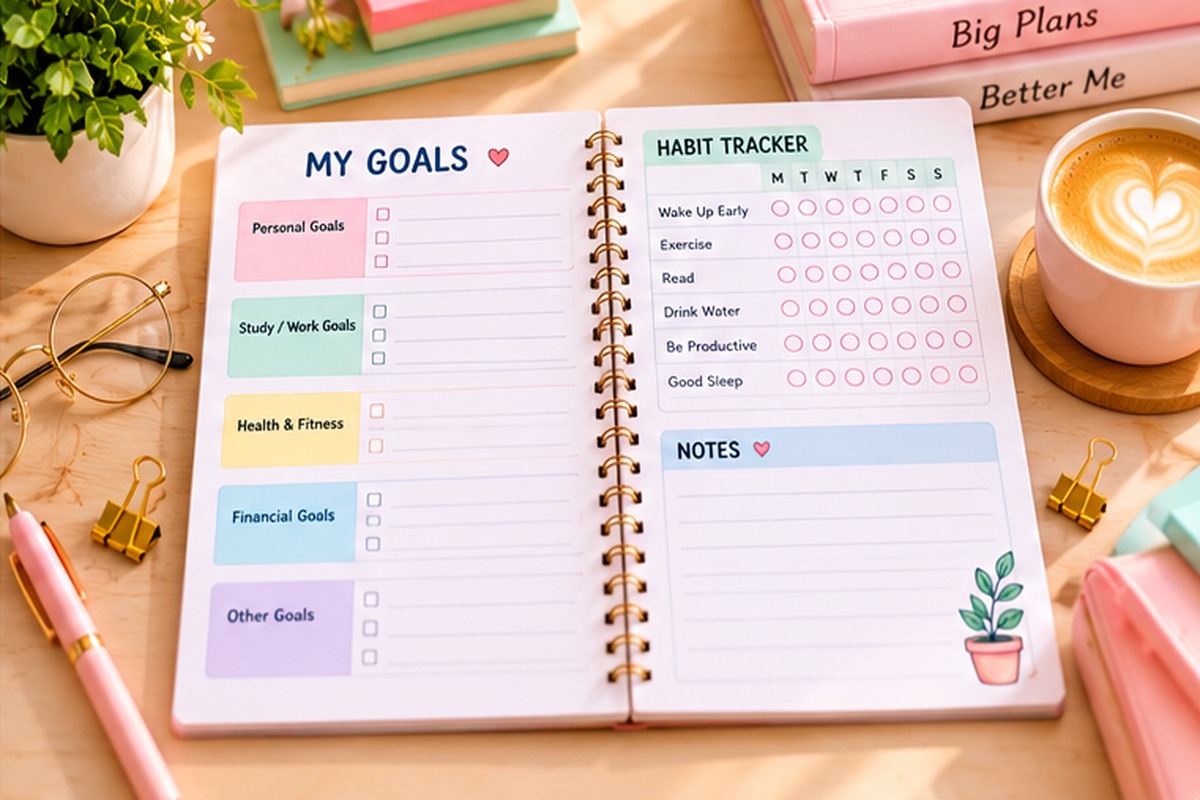
Habits help turn occasional planning into a consistent routine. Start with two or three behaviors you want to repeat. These might include reading, exercising, drinking water, or reviewing tomorrow’s schedule. Record each completed day on a habit tracker.
Don’t worry if you miss a day. Instead, focus on returning to the habit at the next reasonable opportunity.
8. Find the Best Way to Organize Work Tasks
The best way to organize work tasks depends on your responsibilities, deadlines, and available time. Begin by collecting your assignments in one list. Then separate large projects into smaller steps.
For example, instead of writing “Finish website,” create a task sequence:
- Research the page structure.
- Draft the website content.
- Prepare images.
- Build the page layout.
- Test the website.
- Publish the completed page.
Assign realistic deadlines and review your progress at the end of each workday. This method also works for students managing assignments and projects. Our student planner guide offers more academic planning ideas.
9. Organize Your Physical and Digital Spaces
A planner works better when you can find the materials needed to complete your tasks. Start with one small area, such as your desk, a kitchen drawer, or your computer’s downloads folder. Remove unnecessary items, group related materials, and give frequently used belongings a consistent location.
For digital organization, create clearly named folders for documents, images, projects, and personal files. Avoid trying to reorganize your entire home or computer in one day. Small improvements are easier to maintain.
10. Review Your Progress and Adjust Your Plan
A useful organizing plan should change as your circumstances change. At the end of each week, ask yourself what you completed, what remained unfinished, and which routines caused difficulties. Keep the habits that helped. Simplify the ones that required too much effort.
Remember, the goal isn’t to follow your planner perfectly. The goal is to create a system that supports your everyday life.
Practical Examples of
Organizing
Your Life
If you need examples of
organizing your responsibilities, these three situations can help.
Example 1: A busy parent. Use a monthly planner for school events and appointments, a weekly planner for meals and household tasks, and a daily checklist for urgent responsibilities.
Example 2: A university student. Record exam dates in a monthly calendar, plan assignments each week, and use daily study blocks for revision.
Example 3: A freelancer or remote worker. Track project deadlines, client meetings, and invoices in one planning system. Then break larger assignments into daily tasks.
Although these routines look different, they follow the same principle: collect responsibilities, prioritize them, and review them regularly.
How to Create a Simple Organizing Plan
If you’re starting from scratch, use this seven-day approach.
| DayActionDay 1Write down outstanding tasks and commitmentsDay 2Organize tasks into categoriesDay 3Set up a daily plannerDay 4Add important weekly deadlinesDay 5Choose two or three monthly goalsDay 6Organize one physical or digital spaceDay 7Review your progress and plan the next week |
|---|
This approach helps you develop a system gradually instead of changing everything at once.
Printable Planner vs. Digital Planner: Which Should You Choose?
Printable planners work well if you enjoy handwriting, prefer a visual schedule, or want to reduce time spent on digital devices. Digital planners can be useful when you need reminders, frequent editing, or access to your schedule across several devices.
You can also combine both methods. For example, use a digital calendar for appointments and a printable daily planner for focused tasks. The best option is the one you will use consistently.
Common Mistakes When Trying to Organize Your Life
- Planning every minute: Leave flexible time for unexpected activities.
- Creating too many lists: Keep your main responsibilities in one reliable system.
- Setting unrealistic goals: Break large goals into smaller, achievable steps.
- Ignoring unfinished tasks: Review and reschedule them rather than letting them disappear.
- Seeking perfection: A simple planner you actually use is more valuable than a complicated system you abandon.
For additional guidance on time management and planning, the University of North Carolina Learning Center offers educational resources on weekly planning.
Frequently Asked Questions
How do you organize your life when everything feels overwhelming?
Start by writing down your responsibilities. Choose one or two urgent tasks, create a simple daily plan, and gradually organize the remaining items. Avoid trying to solve every problem at once.
How can I organize my life with a planner?
Use a monthly calendar for important dates, a weekly planner for upcoming responsibilities, and a daily checklist for immediate priorities. Review your system regularly.
What is the easiest way to organize your life?
Begin with one planner, three daily priorities, and a short weekly review. Add more planning tools only when you genuinely need them.
How long does it take to become organized?
There is no fixed timeline. Some changes, such as creating a task list, take only a few minutes. Building reliable routines often requires ongoing practice and adjustment.
Can a planner help me organize my work and personal life?
Yes. A planner can help you track work deadlines, appointments, household responsibilities, and personal goals. Consider using separate categories to keep different responsibilities easy to identify.
What does it mean to be
organized
in everyday life?
It means having a manageable system for your time, tasks, belongings, and commitments. Being
organized doesn’t require perfection; it requires knowing what matters and how to manage it.
Final Thoughts: Start Organizing Your Life Today
Learning how to organize your life is a gradual process. You don’t need to change every habit immediately or create an elaborate planning system.
Start with one planner, record your responsibilities, choose realistic priorities, and review your progress each week. As your routine improves, you can expand your system to include monthly goals, habit tracking, and more detailed schedules.
Explore the free printable planners at PlannerDownload.com and choose a format that helps you stay focused, organized, and consistent.